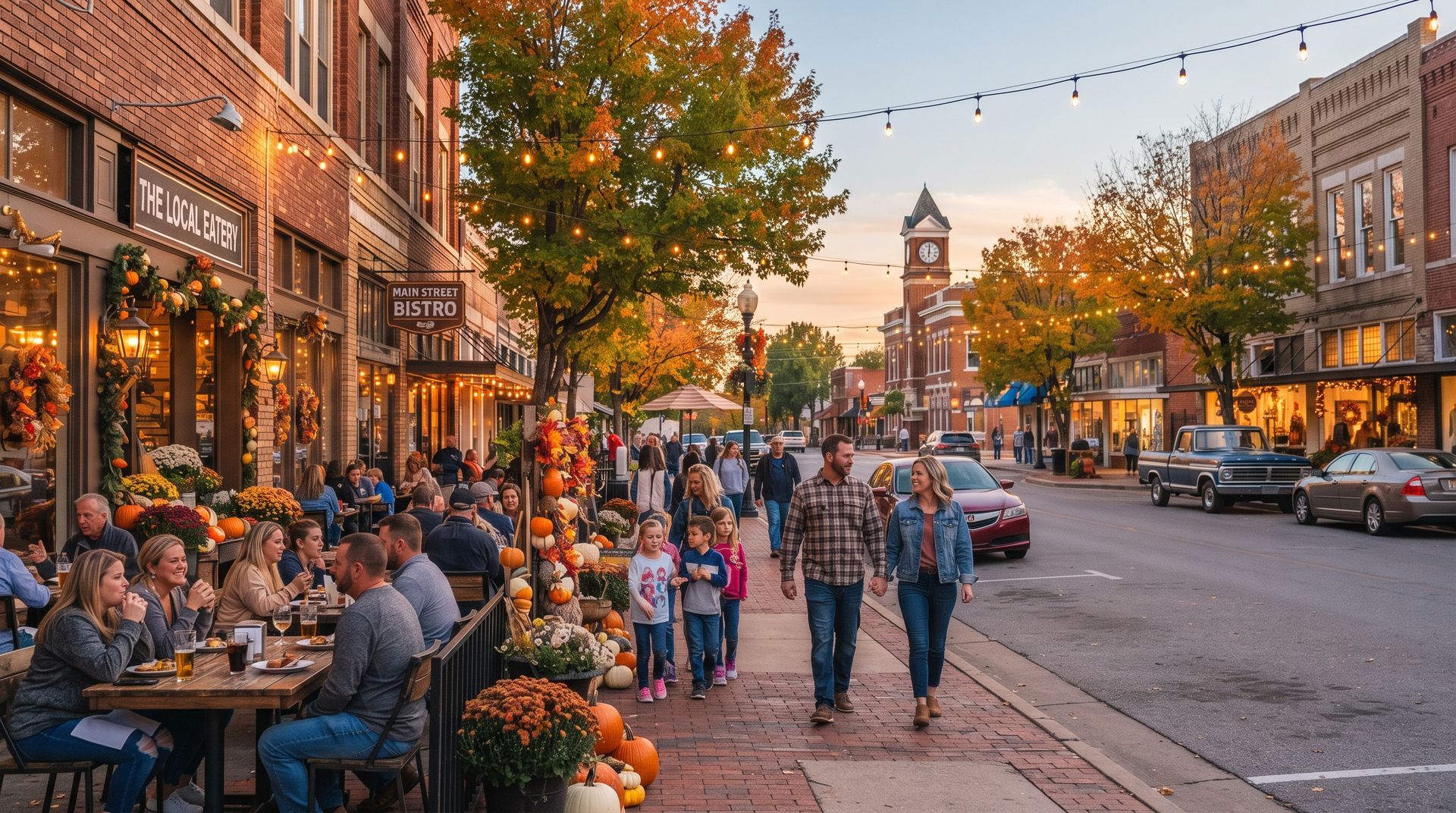
Summer camping and fall camping are not the same trip, even if you are parked in the exact same spot. The gear you reach for, the way you spend your day, and even what you pack in your fridge all shift once the heat breaks. Making that switch on purpose, instead of just letting it happen piece by piece, makes the next few months a lot more comfortable. The shoulder weeks, when summer heat has faded but the first real cold snap has not arrived yet, tend to be some of the best camping weather of the whole year, and campers who plan ahead for the changeover get to enjoy more of those weeks instead of scrambling through them.
Your Daily Rhythm Is About to Change
Summer camping runs on early mornings and late nights, with the hottest part of the day spent hiding indoors or in the shade. Fall flips that. Midday becomes the most pleasant stretch instead of the one to avoid, mornings start cooler and stay that way longer, and evenings shift from bug-spray-and-fans to jackets-and-a-fire. Adjusting your daily rhythm around this now, rather than fighting it, makes fall camping feel easy instead of like a compromise. Shift outdoor chores like washing the rig, walking the dog, or working on projects outside to the middle of the day when the sun has had time to warm things up, and save your morning coffee for right outside the door rather than a long walk, since that first hour or two can be genuinely chilly even on a warm fall day. Because darkness falls earlier, plan your evening activities to start sooner too, so you are not scrambling to set up a fire or finish dinner once the light is already gone.
Swap Out Your Gear Rotation
A lot of summer gear can go into storage once temperatures start dropping, and a few fall essentials should take its place. Pack away the box fans, extra ice packs, and sun shades that got heavy use all summer, and pull out extra blankets, warmer sleepwear, and a good jacket you can actually reach without digging. If you use a portable fire pit, this is the season it earns its keep, and a headlamp or better outdoor lighting setup matters more now that it gets dark well before dinner. Keep the fall bin somewhere easy to reach rather than buried under summer gear you are done with for the year, since you will likely need to layer up and down more than once in the same day as temperatures swing. A packable rain layer is worth adding to that bin too, since fall showers tend to move through quickly but can catch you unprepared if all your rain gear got left at home for summer.
Rethink Your Outdoor Setup
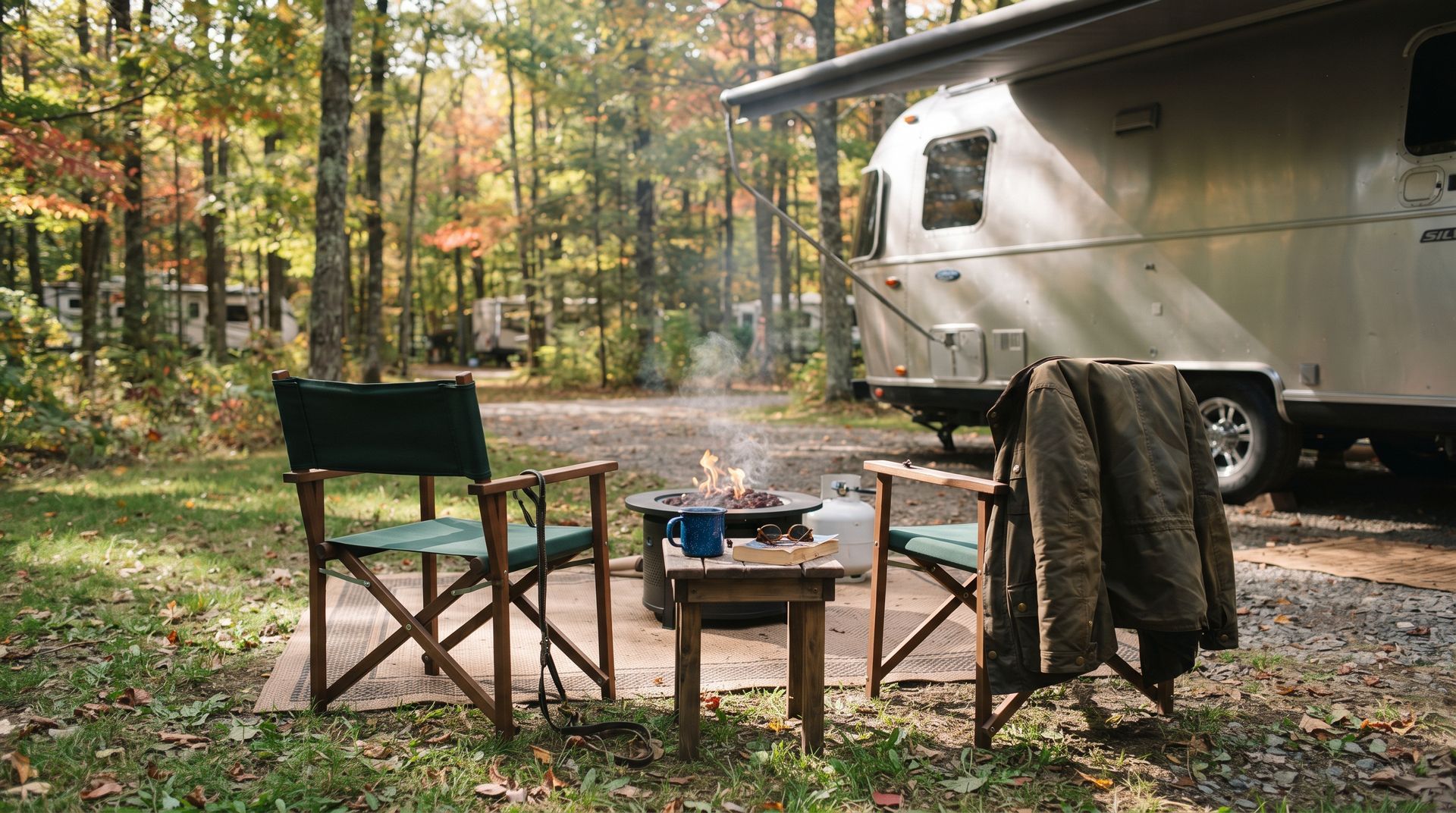
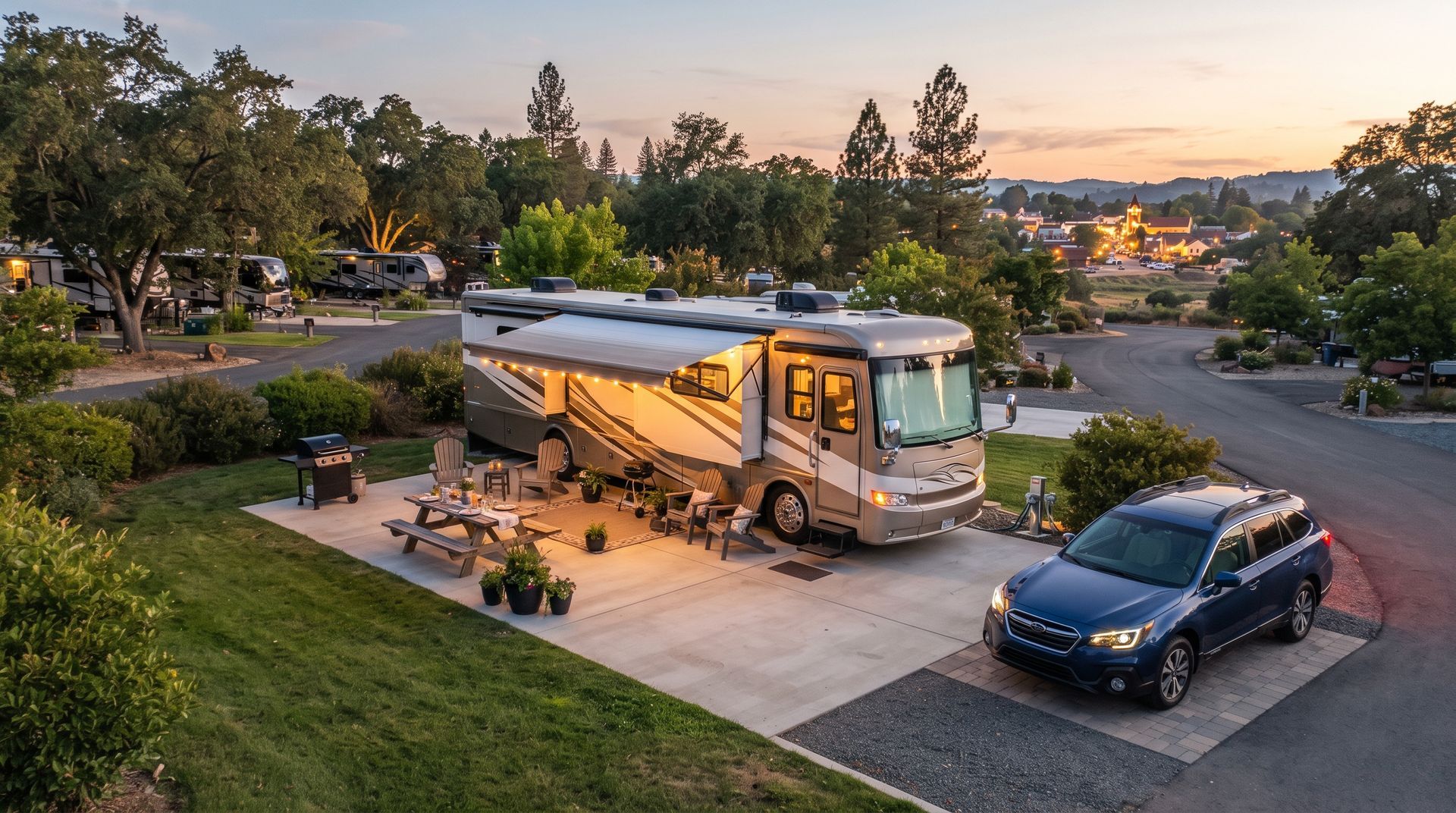
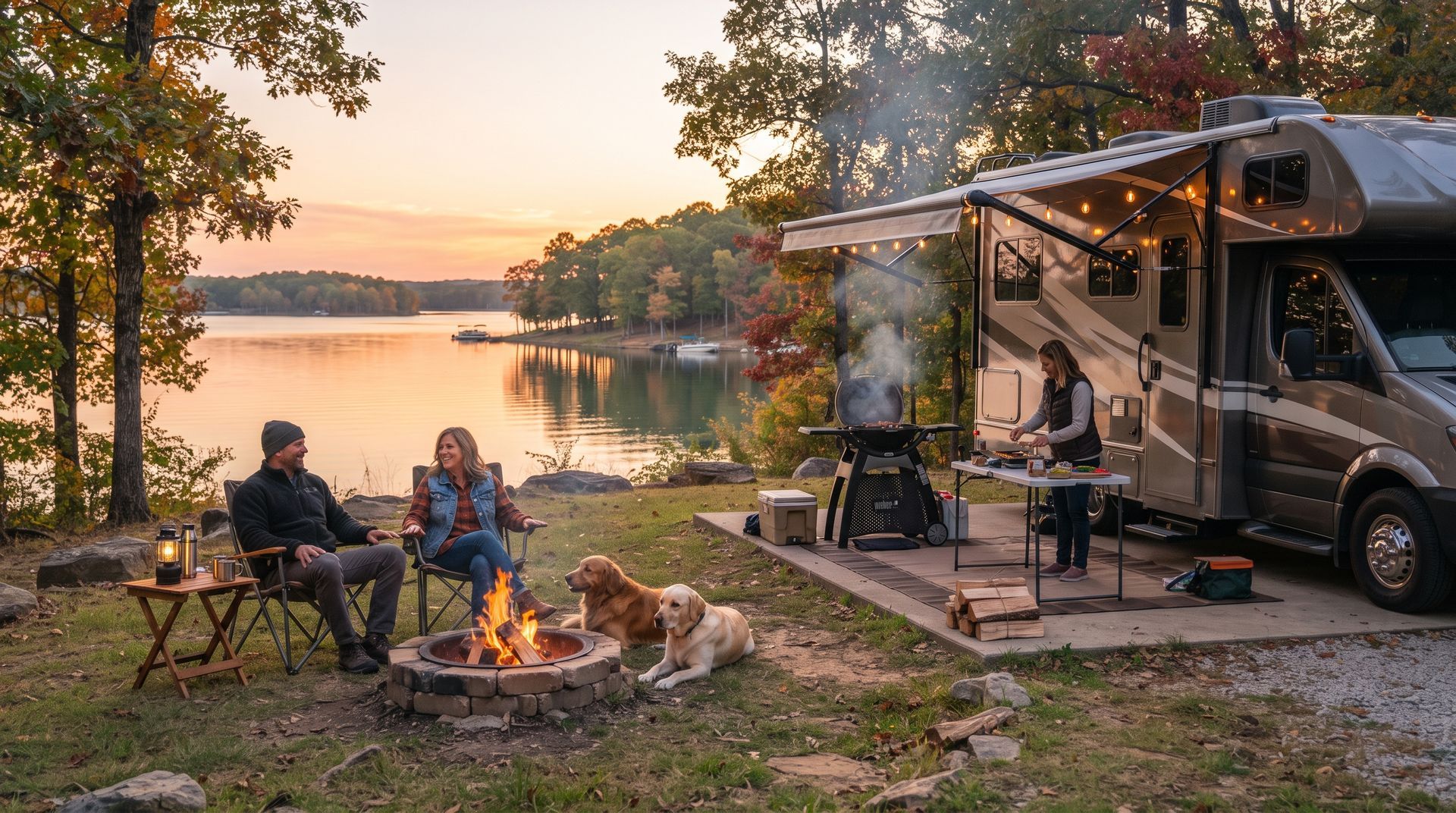
Your outdoor living space needs a different setup once the weather shifts. Shade that mattered all summer becomes less important, while windbreaks and a spot to sit near a heat source become the priority instead. Reposition your chairs and grill area if your site gets better afternoon sun in fall than it did in summer, and consider a stronger outdoor rug or mat, since morning dew and cooler ground temperatures make bare feet on a bare pad less appealing than it was in July. Pay attention to which direction the wind tends to come from at your site, and angle your chairs, awning, or windbreak accordingly, since a breeze that was refreshing in July can turn uncomfortable once temperatures drop into the fifties. A propane fire pit or small heater near your seating area extends the hours you can comfortably sit outside well past when you would have given up and gone inside in summer.
Watch the Weather More Closely
Fall weather changes faster and with less warning than summer weather usually does. A warm, sunny afternoon can give way to a much colder evening than the forecast suggested, and an early cold snap can arrive well before the calendar says it should. Get in the habit of checking the forecast daily rather than once at the start of the trip, and pay attention to overnight lows specifically, since that number matters more for your comfort and your rig than the daytime high does. If a cold snap is forecast, use the daylight hours before it arrives to top off firewood, charge devices, and make sure heaters and blankets are already staged rather than still packed away.
Adjust How You Manage Climate Inside
Running your air conditioner all summer trained you to think about cooling, not heating, and that mental switch takes a minute. Test your furnace and space heater options before you actually need them on a cold night, think through how you will manage the swing between a warm afternoon and a cold morning without constantly adjusting settings, and check that your thermostat or climate app, if your rig has one, is actually set up for heating mode rather than still defaulting to cooling logic from summer. Check your propane level before a cold stretch arrives, since a furnace draws down a tank much faster than the stovetop and water heater did over the summer, and running low on a cold night is a worse surprise than running low on a warm one. Many campers find it more comfortable, and easier on propane, to run the heat lower overnight and add an extra blanket rather than trying to keep the whole rig at a summer-like temperature around the clock.
Protect Your Water Lines and Tanks
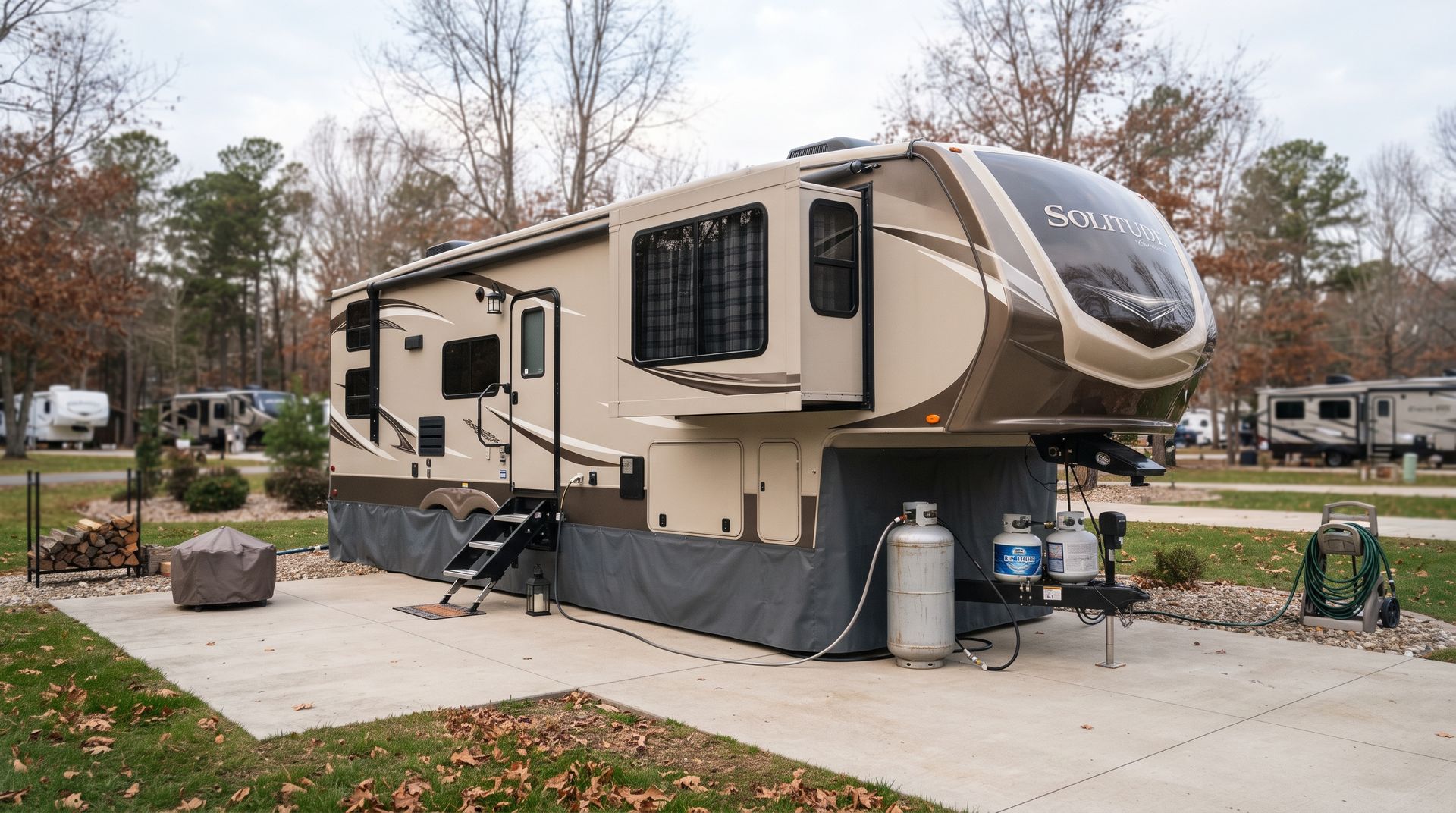
Freezing temperatures are still mostly a winter concern in most of southern Oklahoma, but the first light frost of the season tends to arrive earlier than people expect, and it is worth getting ahead of it rather than reacting after the fact. Get in the habit of checking the overnight forecast before you turn in, and if a hard frost is possible, disconnect and drain your fresh water hose rather than leaving it connected and full overnight. A heated hose or simple foam insulation sleeve is a cheap way to buy yourself extra flexibility on the handful of colder nights fall can bring before winter fully sets in. It is also a good time to double check that any tank heaters or heat tape your rig has are working before you actually need them, rather than discovering a problem on the one night it matters.
Update Your Food and Cooking Habits
Summer camp cooking leans toward quick, cold, low-effort meals because nobody wants to stand over a stove in the heat. Fall opens up options that were miserable all summer, slow-cooked chili, a Dutch oven meal over the fire, or a real hot breakfast instead of grabbing something quick on the way out the door. Stock your pantry a little differently for the season, since warm, filling meals matter more once the temperature drops, and a hot drink station, coffee, cocoa, cider, becomes a nice addition to mornings that used to start with just grabbing something cold. A slow cooker or cast iron Dutch oven left at home all summer because nobody wanted a hot kitchen suddenly becomes one of the most useful pieces of gear you own, since you can start something simmering in the morning and come back to a finished meal after an afternoon outside. Keep a few shelf-stable pantry staples on hand, beans, rice, broth, that make it easy to throw together a warm meal without a grocery run.
Reassess Your Activity List
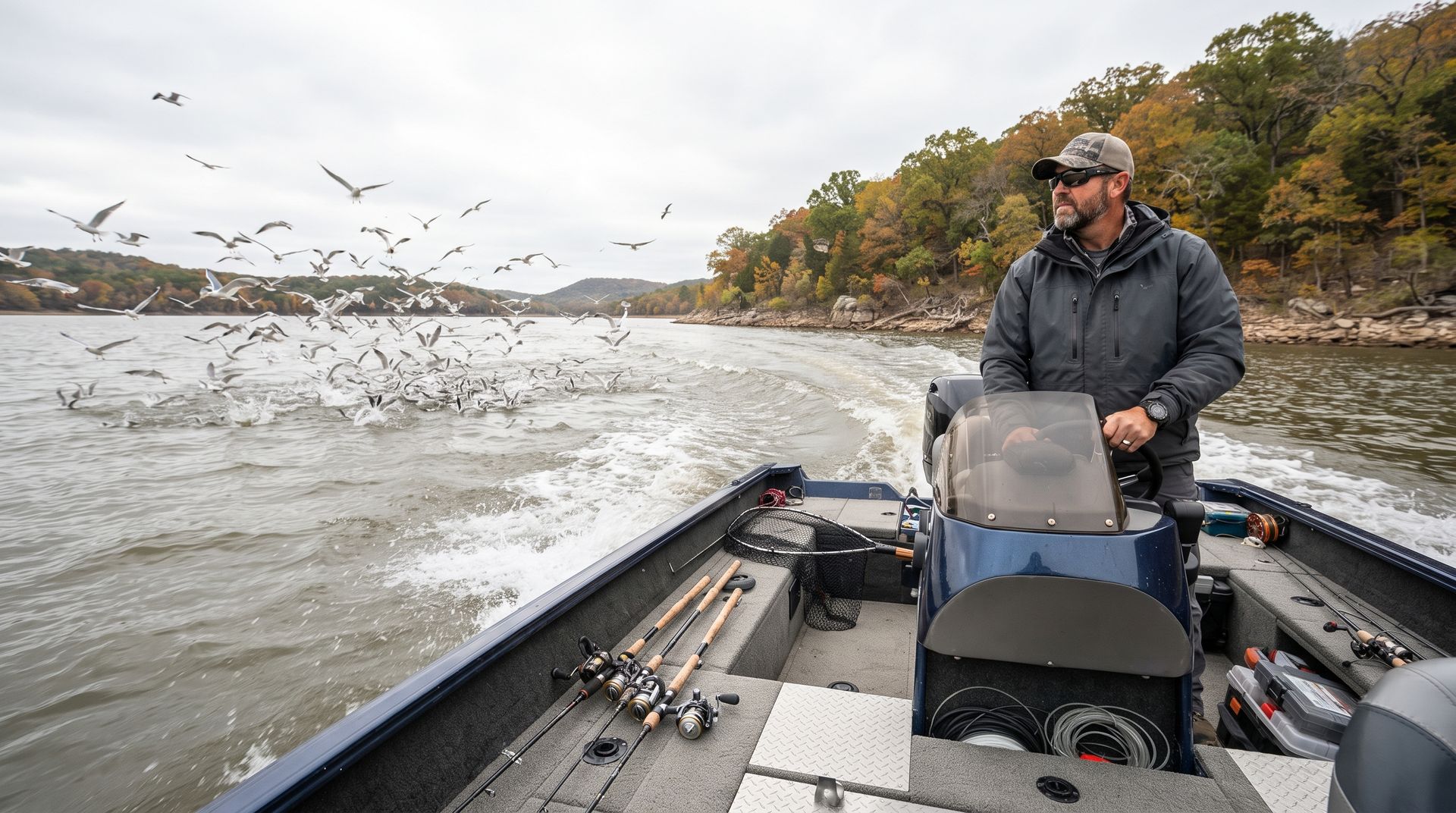
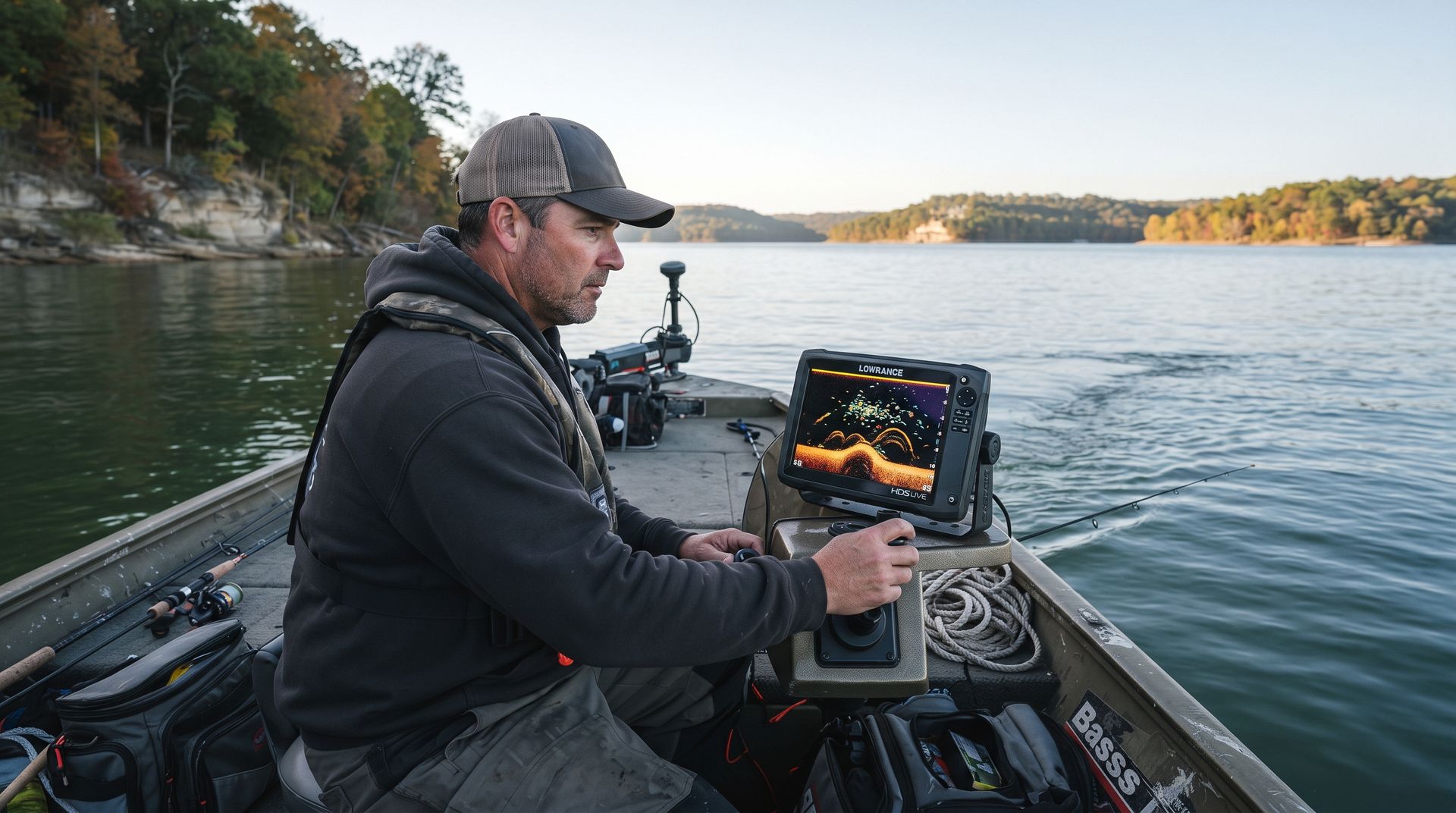
The things that filled your summer days are not necessarily the things that will fill your fall days. Water activities that dominated summer trips give way to hiking, fishing in cooling water, and simply sitting outside comfortably for longer stretches. Build a fall activity list that actually fits the season instead of trying to force summer habits into cooler weather, and take advantage of the extended comfortable hours fall offers for activities that felt rushed in summer heat. Fishing in particular tends to pick up as the water cools, since fish often feed more actively once summer's heat lifts, and cooler air makes an afternoon on the bank or pond a lot more comfortable than it was in August. Earlier sunsets also mean more evening hours for lower-key activities like sitting by a fire, playing cards, or simply watching the sky, since darkness now arrives well before most people are ready to call it a night.
Pack for the Shoulder Season Not Just One Extreme
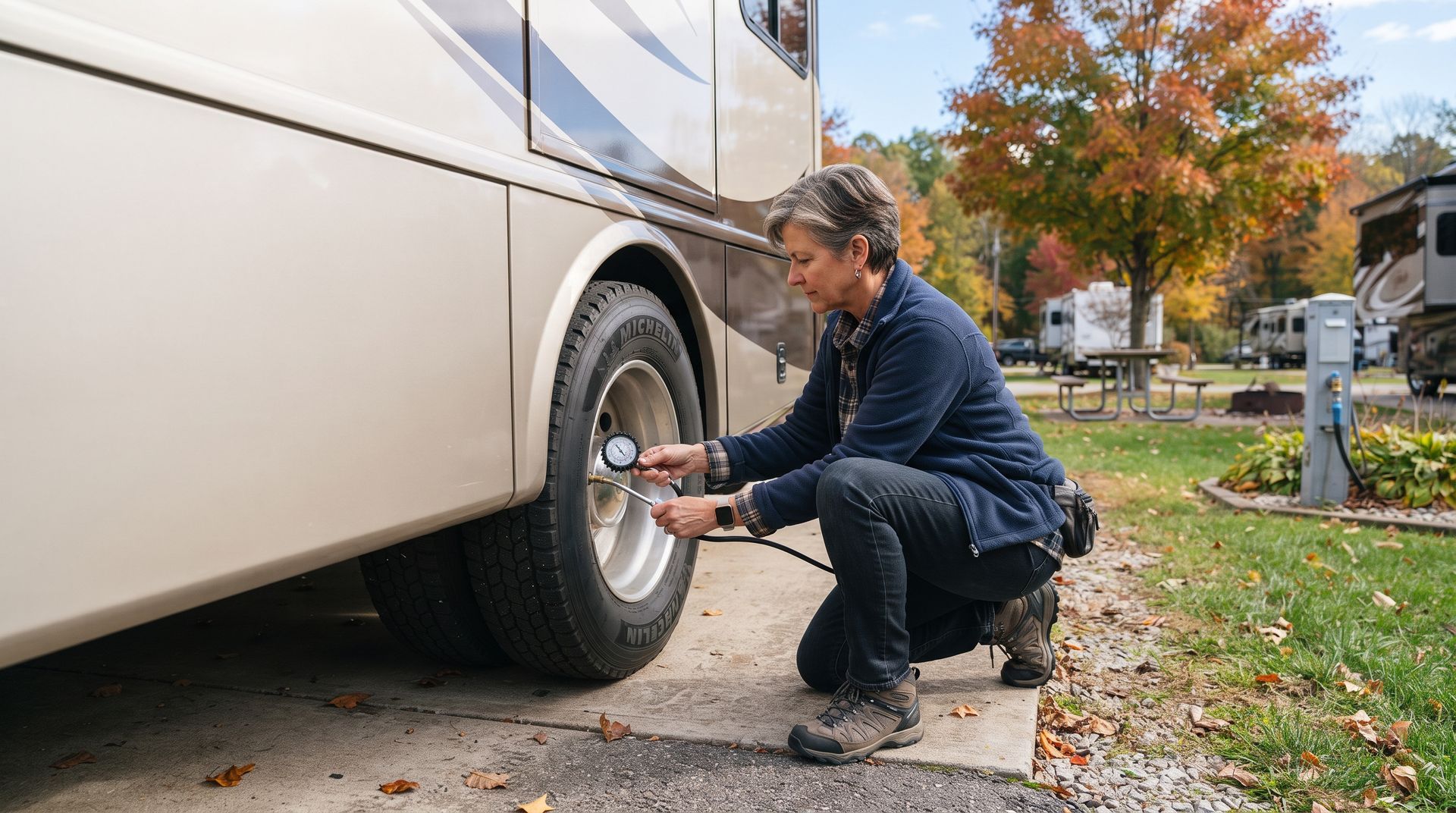
The trickiest part of fall camping is that a single day can span both temperature extremes, so packing for only the cold or only the leftover warmth usually leaves you missing something. Bring layers you can add and remove through the day rather than one heavy jacket or one light layer, since a fifty-degree morning and a seventy-degree afternoon both show up in the same trip. Pack for both dry, sunny days and a passing rain shower, since fall weather in southern Oklahoma can shift from one to the other faster than summer weather typically does. A few extra pairs of dry socks and a warm hat take up almost no space but make a much bigger difference to your comfort than most people expect once temperatures start to swing.
A Site That Makes the Transition Easy
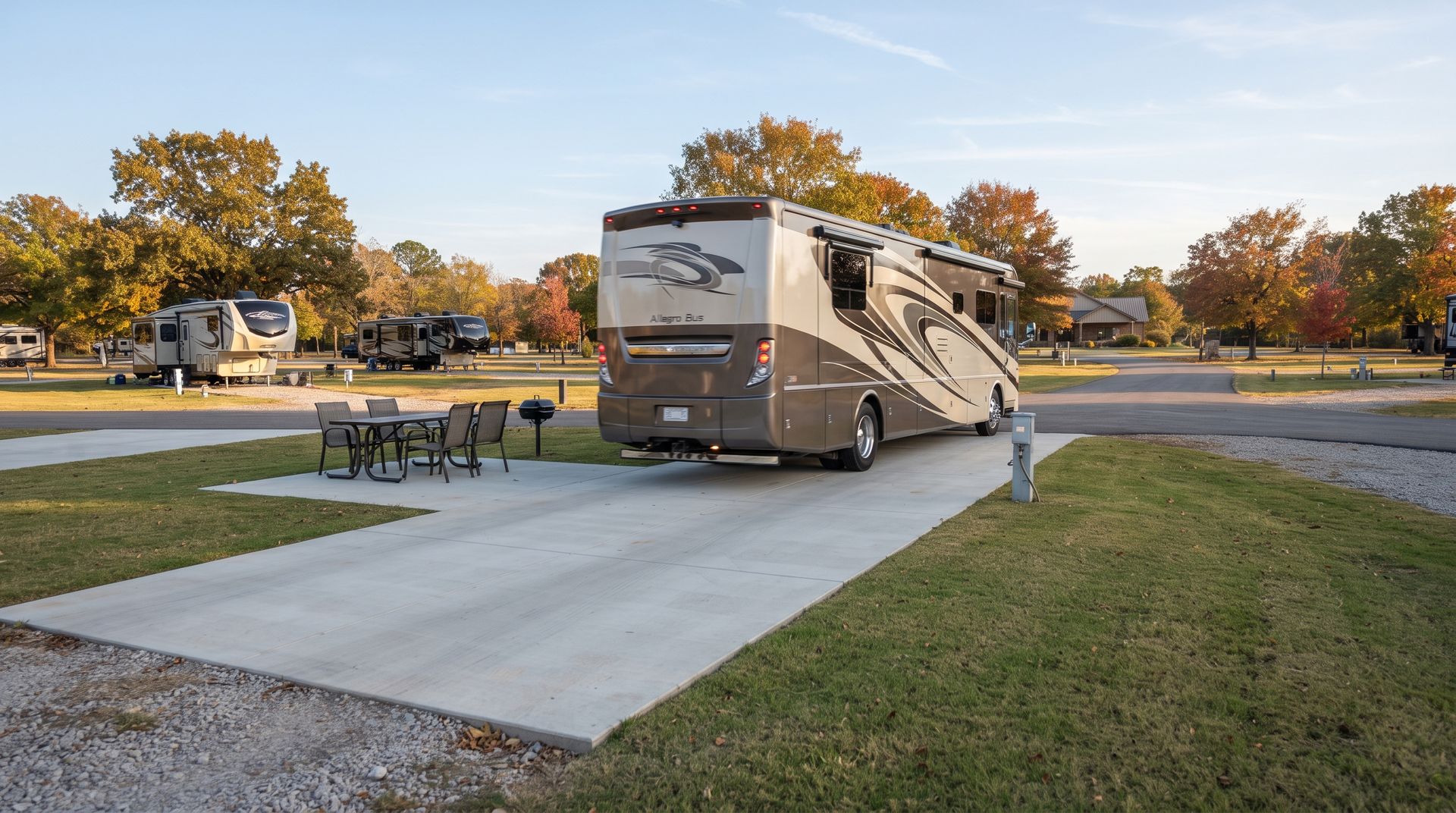
Switching seasons is a lot smoother when your site is not part of the adjustment. At Hilltop, our 79 sites sit on oversized, level concrete pads, so your setup stays stable through the transition without extra work on your end. Full hookups on both 30 and 50-amp service mean your heating and power needs are covered without workarounds, and the grass yard at every site gives you room to actually rearrange your outdoor setup as the season shifts, rather than working around a cramped gravel pad. The newly built bath house means a warm shower is always close by even as outdoor faucets and hose bibs get chillier, and on-site laundry lets you keep swapping between summer and fall clothes without a special trip into town.
Ease Into the Season
Transitioning from summer to fall camping is easier with a site that is already built for it. Call
580-745-9180 or email
officehilltop25@gmail.com, or book directly through the CampLife platform, to reserve your site at Hilltop RV Resort and settle into the season right.