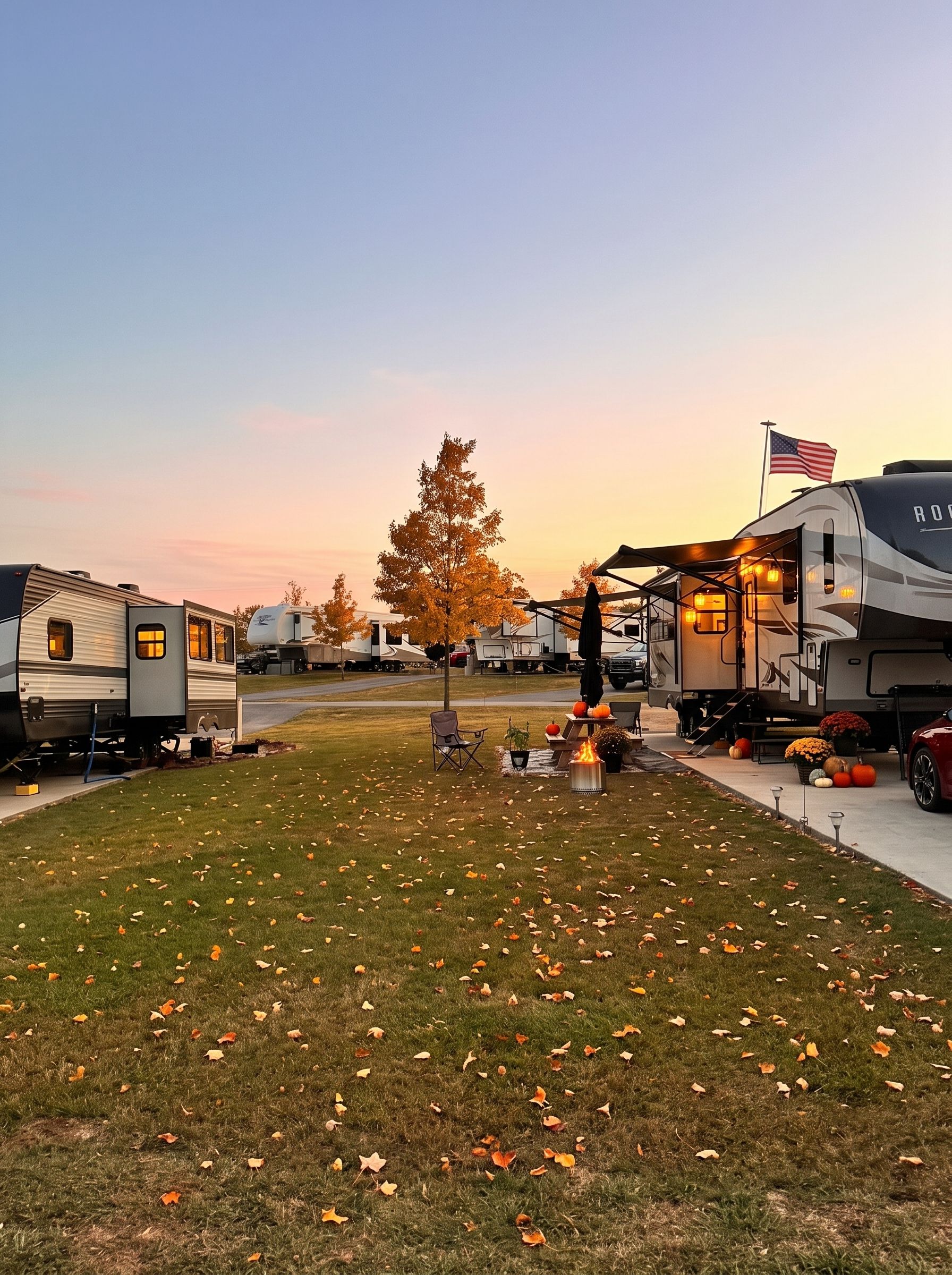
Fall in southern Oklahoma has a flavor all its own, and it is as much about what ends up on your plate and in your mug as what you see out the window. The mornings turn crisp, the farm stands fill up with squash and apples, and the evenings finally invite a real campfire. A harvest weekend around Lake Texoma and Durant is built around food, fire, and slow seasonal rituals, which makes it a very different trip from a standard sightseeing escape. Here is how to plan an RV weekend getaway that tastes as good as it looks. What Makes a Harvest Weekend Different A typical weekend trip is organized around places to go. A harvest weekend is organized around things to do with your hands: picking, browsing, chopping, stirring, baking, and tending a fire. The destination matters less than the rhythm, which is why it suits an RV so well. Your kitchen travels with you, your cooler is already packed, and the whole trip can revolve around one good meal each day rather than a long list of stops. Friday Arrival and a Slow Start Resist the urge to cram Friday. Roll in with enough daylight left to level up, hook up, and set out your outdoor space before the evening cools down. Once you are settled, put together an easy first dinner that does not require a big shopping trip, such as soup you made at home and reheated, or a skillet supper with sausage and potatoes. Save the real cooking for Saturday. Friday night is for lighting the first fire of the weekend, wrapping up in a jacket, and letting the week fade. A relaxed arrival makes the harvest weekend feel like a ritual instead of a checklist. Saturday Morning at the Farm Stands Saturday is your shopping and gathering day, and the best way to start it is early, before the good produce thins out. Fall in this part of the state generally means pumpkins and winter squash, apples, sweet potatoes, greens, and pecans, though what is actually available depends on the year and the weather. Rather than pointing you to one stop, the better approach is to do it the way locals do. Check current local listings and community pages, then ask around at the first stand you find, because the best tips on where to go next usually come from the person behind the table. Pumpkin Patches and Pick Your Own Outings A pumpkin patch outing earns its place on a harvest weekend because it gives the whole group something to do together, and what you pick can be cooked, carved, or simply set on your picnic table as decoration. Hours, admission, and seasonal activities change from place to place and year to year, so check local listings or call ahead before you drive out. Bring cash in small bills just in case, a wagon or sturdy bag for heavy picks, and shoes you do not mind getting muddy. Cooking Over the Fire Cooking over a fire is where a harvest weekend really separates itself from an ordinary trip. A cast iron skillet or Dutch oven set over coals handles almost everything you will bring home from the farm stands: roasted squash, sweet potatoes wrapped in foil and buried in embers, apples baked with butter and cinnamon, even a pot of chili or stew that simmers while you do other things. Let the flames burn down to steady coals before you start, since coals give more even, controllable heat than open flame. A Harvest Menu for the Campsite If you want a plan, build the weekend around three meals that lean on fresh seasonal produce. Saturday breakfast can be sweet potato hash with eggs cooked in a skillet. Saturday dinner can be a one pot stew or chili with roasted squash on the side, served with cornbread. Sunday brunch can be pancakes made with pumpkin or mashed sweet potato, topped with pecans and warm apples. Everything on that menu uses ingredients you can pick up locally in a single morning, and none of it requires more than a pan, a pot, and a heat source you already trust. Seasonal Baking in an RV Kitchen Baking in a small RV kitchen takes a little planning, but fall is the season when it feels most worthwhile. A small oven turns out apple crisp, muffins, cornbread, or a simple pumpkin loaf, and the smell alone makes the whole campsite feel like a holiday. Pack your dry ingredients pre-measured in zip bags at home, so you only have to add wet ingredients and stir. Keep in mind that RV ovens often run hot or uneven, so rotate your pan halfway through and check early. Cider and Hot Drinks by the Fire Nothing says harvest like something warm in your hands on a cool evening. Fresh apple cider heated slowly on the stove with a few cinnamon sticks, cloves, and orange peel fills the camper with a seasonal scent and gives everyone a drink to carry out to the fire. Hot chocolate, spiced tea, and strong campfire coffee all work well too, and a big insulated thermos keeps a second round ready without a trip back inside. Ask at local farm stands whether they sell fresh pressed cider, since availability varies, and bring a few mugs you do not mind carrying outside. Fall Crafts and Local Markets Autumn is prime season for craft fairs, harvest markets, and community events across this region, but dates and lineups change each year, so check local listings, community boards, and social pages when you plan your trip. A market stop is a good way to pick up jams, honey, baked goods, handmade soap, or small gifts, and it is a nice chance to talk with the people who made them. If a market does not line up with your weekend, a simple craft at your own campsite works too, such as pressing leaves, painting small pumpkins, or stringing dried corn and gourds. A Lake Outing for Fall Light Give the lake a few hours, because Texoma in fall is a different place from the busy summer version. The water cools, the crowds thin out, and the shoreline takes on softer light that suits a slow boat ride, a paddle, or an afternoon on the bank. Cooler water also tends to get fish feeding more actively, so anglers who skip the summer heat often enjoy fall more. If you plan to fish, check current regulations and license requirements with the official wildlife agency, and consider cooking whatever you are allowed to keep over that evening fire. A Durant Afternoon Durant makes an easy afternoon outing, and the drive along US-70 from the lake is part of the appeal. Restock anything you forgot, then wander. Downtown shops, local cafes, and grocery stores are all good places to browse, and a stop for a hot drink you did not have to make yourself is a nice break in a cooking-heavy weekend. Check current hours before you go, since fall schedules can differ from summer ones. Sunday Slow Down and Pack Up Sunday should feel unhurried, since the point of the weekend is to carry the slow pace home with you. Make that pumpkin pancake brunch, finish the last of the cider, and take a final walk around the campground while the morning is still cool. Start packing up early enough that you are not rushing, and set aside leftovers and any unused produce in the fridge, since roasted vegetables and stew often taste even better the next day. Leave your fire ring cold to the touch before you hit the road, and double check that nothing is smoldering. What to Pack for a Harvest Weekend Your packing list should cover three things: cooking, warmth, and gathering. For cooking, bring a cast iron skillet or Dutch oven, long handled tongs, heavy foil, oven mitts, a sharp knife, and a sturdy cutting board. For warmth, pack layers, a thick blanket for each person, warm socks, and a hat for cool mornings. For gathering, bring a wagon or tote bags, a small cooler for fresh produce, and a few extra bags for souvenirs. Kids and Group Ideas A harvest weekend is easy to share, and it gives every age something to do. Kids can sort and pick pumpkins, stir batter, decorate small gourds, or be in charge of roasting marshmallows and sweet potatoes. Older kids and adults can run the fire, handle the Dutch oven, or compete in a friendly cook off where each family or rig makes one dish. For groups traveling in several rigs, a potluck dinner on Saturday night lets everyone contribute a seasonal dish, and a shared fire circle turns the evening into the highlight of the trip. Weather Backup Plans Fall weather in southern Oklahoma can change quickly, so plan for both a perfect weekend and a wet or windy one. If rain moves in, shift your cooking indoors to the stove and oven, play cards or board games in the camper, and turn a rainy afternoon into a baking project. If winds pick up, skip the open fire and check local guidance on burn restrictions before lighting anything. A cold front can make the lake choppy, so keep Durant, farm stand visits, and a market stop in your back pocket as indoor friendly options. A Comfortable Base for Harvest Cooking A weekend built around cooking is easier when your site works with you. At Hilltop RV Resort in Mead, right off US-70 and minutes from Lake Texoma, all 104 sites have oversized 14 by 60 foot concrete pads, full hookups on both 30 and 50 amp service, and utilities included in the site rate. Every site also has its own grass yard, patio, and picnic table, which gives you room to set up a fire, prep ingredients, and eat outdoors. Durant is a short drive away, so a farm stand run or a trip for extra supplies never takes long. Plan Your Harvest Weekend A fall harvest weekend is really about slowing down, cooking good food, and gathering around a fire while the air turns crisp. Call 580-745-9180 or email office@hilltoprvresort.us , or book directly through the CampLife platform, to reserve your site at Hilltop RV Resort and start planning a weekend that tastes like the season.
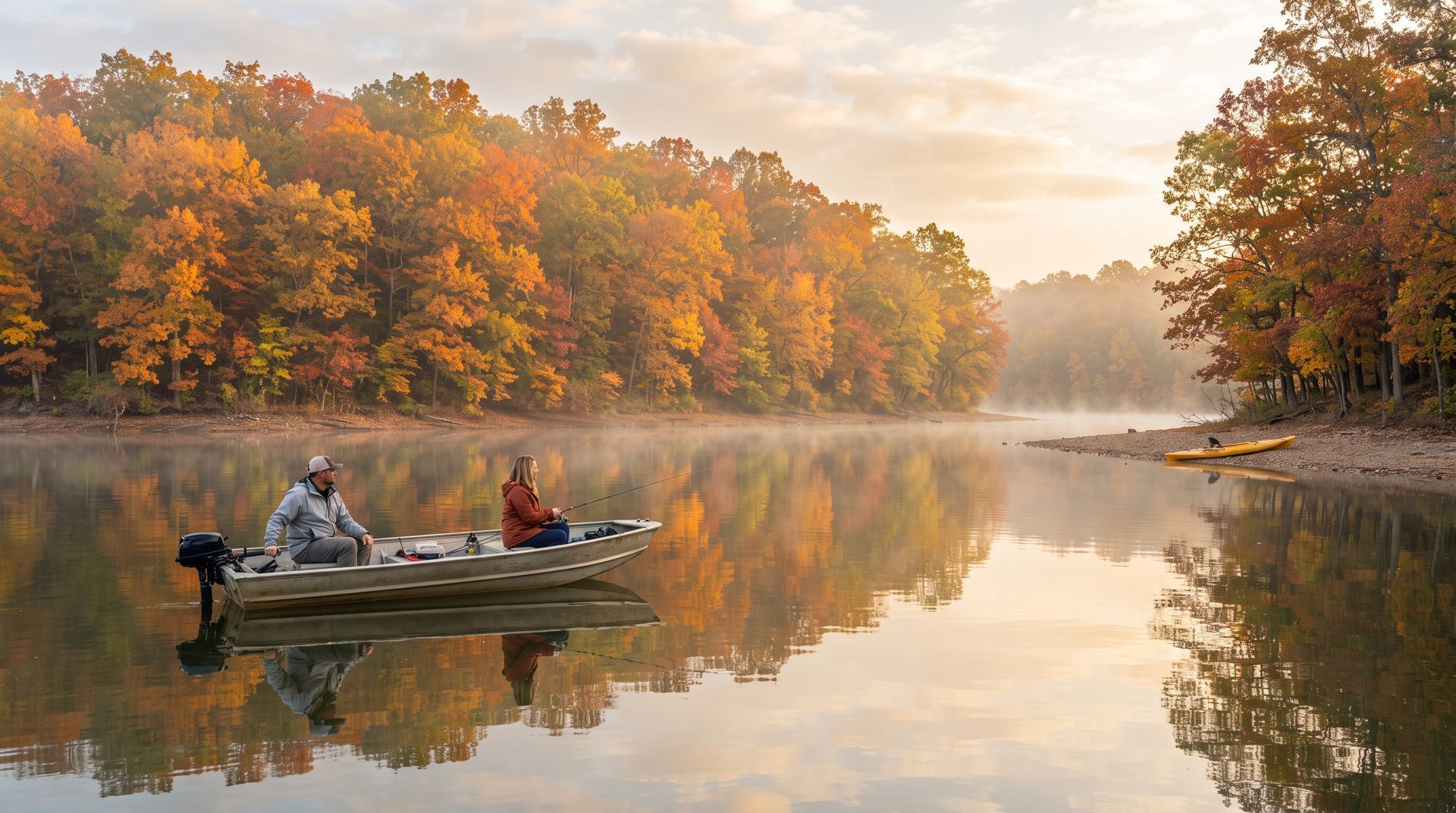
See Lake Texoma's fall color from the water. Get the best coves and timing for foliage season, based at Hilltop RV Resort near Durant, OK
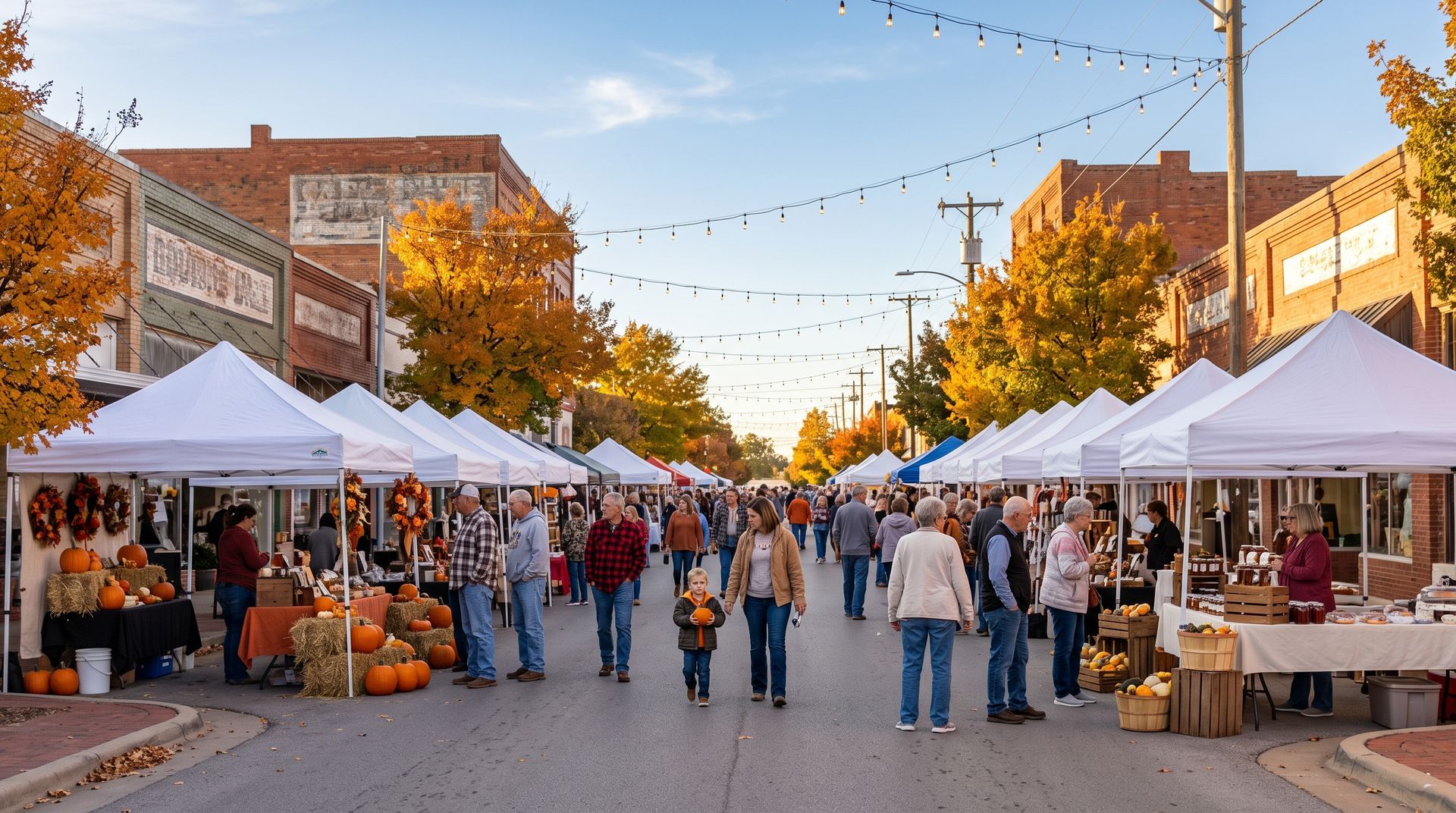
From harvest festivals to craft fairs, here's how to find fall events near Durant, Oklahoma, based at Hilltop RV Resort
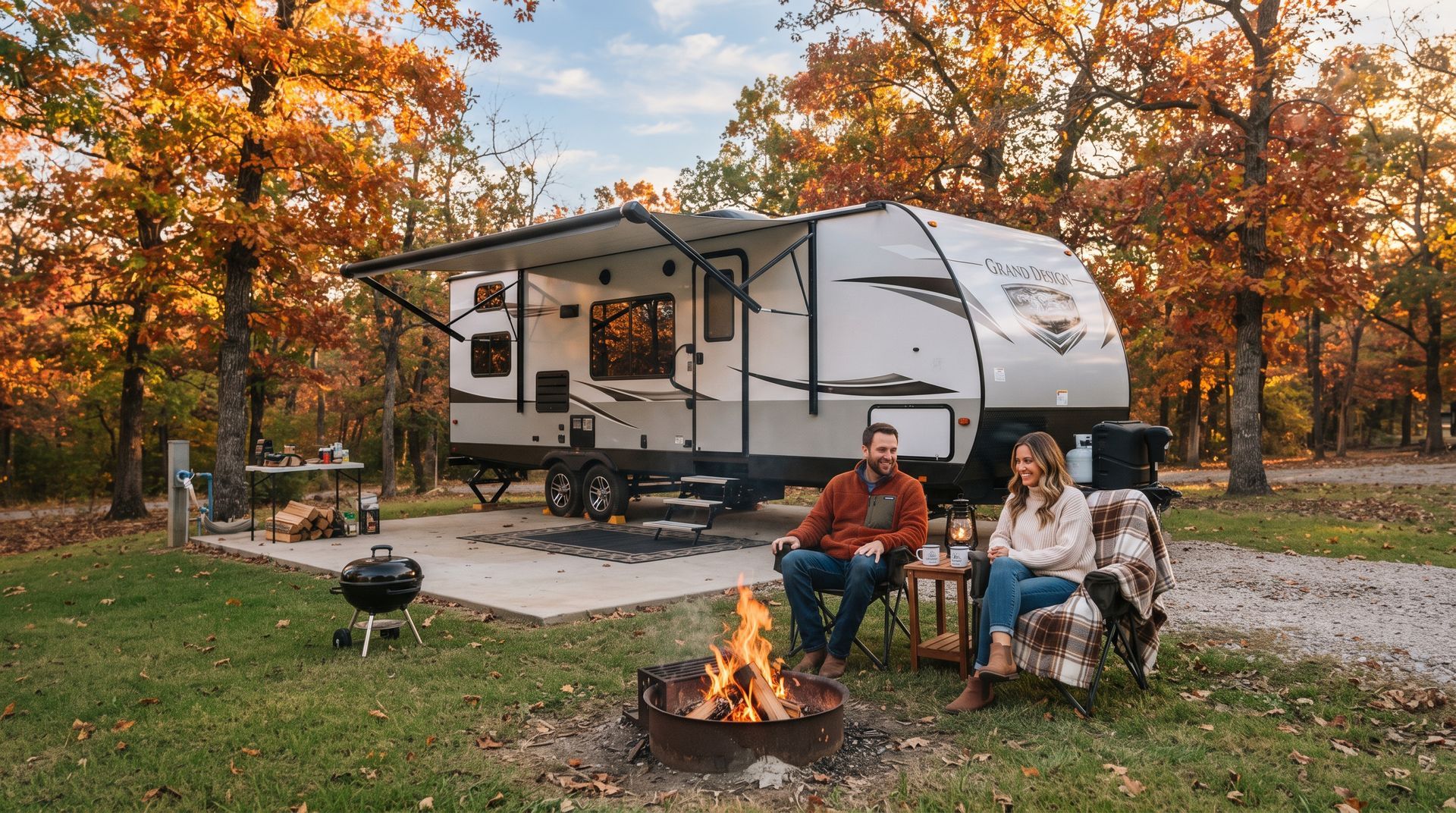
Make the most of the long weekend. Get a full Columbus Day getaway plan for Lake Texoma, based at Hilltop RV Resort near Durant, OK
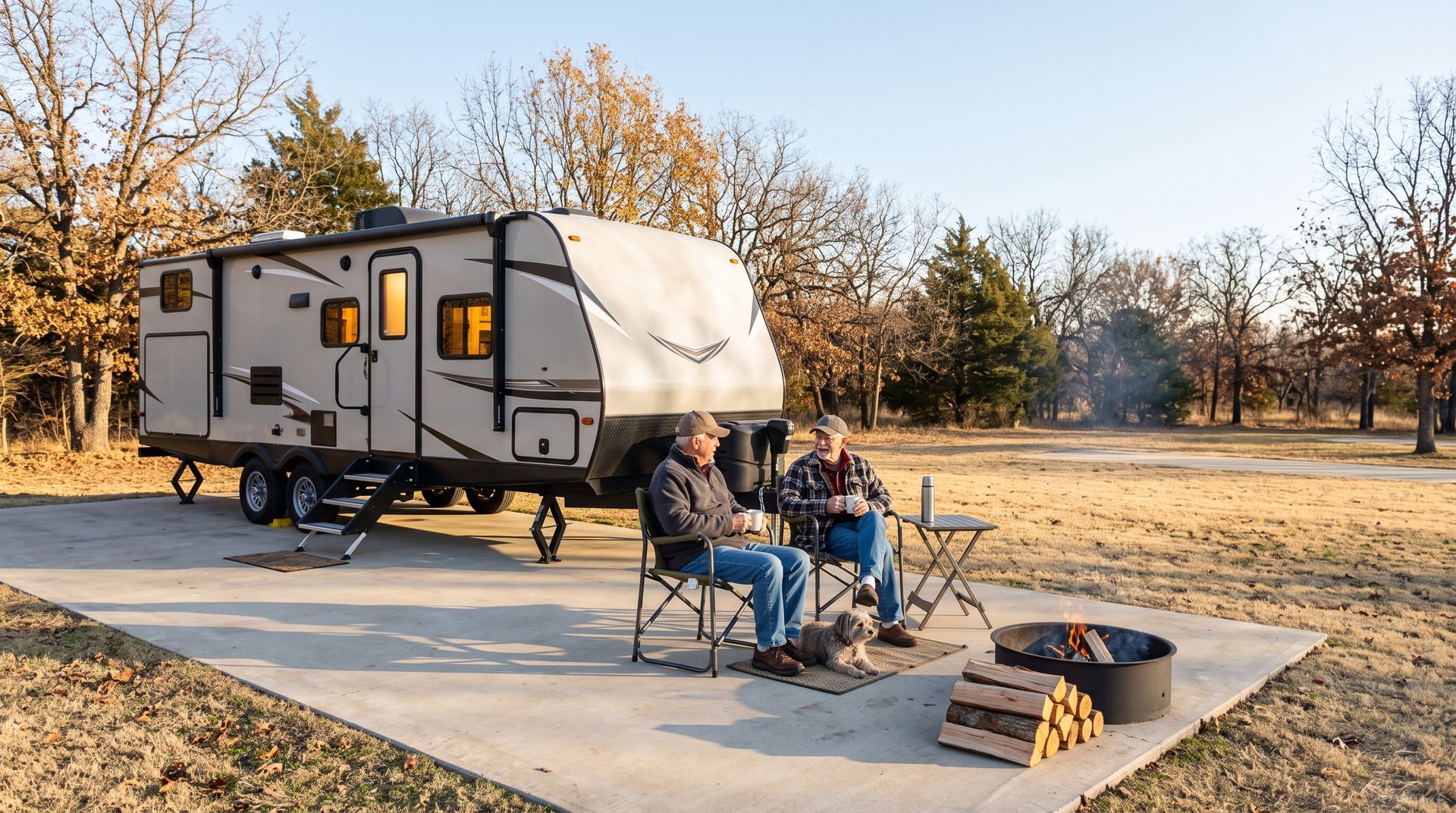
When people picture snowbird RVers, they usually picture a long haul to Florida or Arizona. But southern Oklahoma quietly offers a lot of what makes those destinations appealing, milder winters than much of the Midwest, a central location that keeps the rest of the country within reach, and a real sense of community rather than just a stopover, without the distance, cost, or crowds that come with the more obvious snowbird spots. Here is why this area deserves a real look if you are planning where to spend the winter. What "Snowbird" Really Means for RVers The term gets used loosely, but at its core, being a snowbird means choosing a winter base that is genuinely more comfortable than wherever you would otherwise be sitting through the coldest months. It does not have to mean a thousand-mile drive to a coastal destination. For a lot of full-time and extended-stay RVers, what actually matters is avoiding the harshest extended freezes, having reliable infrastructure for months at a time, and landing somewhere that still feels worth being in, not just a place to wait out winter. The traditional image of a snowbird driving the entire length of the country each fall and spring is really just one version of a broader strategy, and for plenty of RVers, a shorter move to a genuinely milder region accomplishes the same goal without the extended drive on both ends of the season. Milder Winters Than Much of the Midwest Southern Oklahoma sits far enough south that it generally avoids the extended deep freezes and heavy snow accumulation that much of the Midwest and northern Plains deal with through the winter months. That does not mean it never gets cold, real cold fronts do move through, but the stretches of genuinely harsh winter weather tend to be shorter and less frequent here than in states further north. For an RVer coming from a colder climate, the difference in how much of the season is spent dealing with serious cold versus simply mild, manageable winter weather can be significant. A Central Location Advantage One underrated benefit of basing yourself in southern Oklahoma for the winter is how central it actually is. Texas, the broader Midwest, and the South are all within a reasonable drive, which matters if you want to take a short trip during your stay, have family visit from a few different directions, or simply know that wherever you need to go in the spring is not an unreasonable haul from where you spent the winter. Traditional snowbird destinations on either coast put you in a corner of the country, while a central location keeps your options genuinely open. An Affordable Alternative to Traditional Snowbird Destinations Florida and Arizona earned their snowbird reputations honestly, but that popularity comes with a cost, literally. Site rates in well-known snowbird destinations climb during peak season as demand spikes, and the sheer volume of seasonal RVers can mean crowded parks, long waits for popular sites, and a less personal experience overall. Southern Oklahoma offers a milder winter without that same seasonal price surge or crowding, which matters if you are trying to make a multi-month stay work within a real budget rather than treating it as a one-time splurge. Access to Lake Texoma Even in Winter A lot of snowbird destinations are chosen for warm beaches or desert scenery, but Lake Texoma offers its own version of a winter draw. The lake does not close down once the weather turns, and winter fishing, quiet off-season boating on milder days, and simply having a scenic body of water nearby all remain part of what makes staying here worthwhile through the colder months. If trout fishing interests you, the Blue River, about thirty minutes from Hilltop, gets stocked with rainbow trout by the Oklahoma Department of Wildlife Conservation starting in early November, giving winter visitors an entirely different kind of fishing to look forward to beyond the lake itself. A Real Community Instead of Just a Stopover Traditional snowbird destinations can feel transient, a sea of seasonal visitors who scatter again each spring with little connection to the place or each other. A smaller, community-oriented park offers something different. Staying somewhere with a stable base of extended-stay guests and on-site management that actually knows the property creates a different kind of winter experience, one where you are settling into a place rather than just parking there until the season changes. That distinction matters more than people expect once they are a few weeks into a long winter stay. Full Hookups and Included Utilities Matter More in Winter A winter-long stay puts more demand on your hookups than a short summer visit does, since heating runs more consistently and for longer stretches than air conditioning typically does in summer. A site with genuinely reliable full hookups, and a rate structure where utilities are already included rather than metered separately, removes a layer of budgeting uncertainty that can otherwise build up over a multi-month stay. Knowing your monthly cost up front, without tracking a separate electric bill that climbs as the furnace runs more, makes planning a winter season considerably simpler. Fishing Doesn't Stop in Winter One of the more pleasant surprises for first-time winter visitors to this area is how much fishing opportunity remains even once the weather turns cold. Stripers on Lake Texoma continue to be catchable through much of the winter, particularly near deeper water and the dam area where fish hold through the coldest stretches, and the Blue River's trout season runs from November through mid-March, giving anglers an entirely separate winter fishery to explore that has nothing to do with the lake itself. For anyone who assumed winter meant packing away the fishing gear until spring, this area offers a real reason to keep it handy all season. Easy Trips to Explore the Region A winter base in southern Oklahoma puts you within reach of more than just Lake Texoma. Durant and Choctaw Casino & Resort are a short drive away for dining, entertainment, and shopping throughout the season, and Texas cities like Sherman, Denison, and the broader Dallas-Fort Worth area sit close enough for an occasional day trip or supply run without committing to a major drive. Being centrally located means a quiet winter does not have to mean an isolated one, since variety is a reasonably short drive away whenever you want it. Planning a Winter Stay the Right Way Settling in for the season takes a little more planning than a short visit, and it is worth thinking through a few things before you commit. Confirm your site's rate structure for an extended winter stay, including what is actually included, set up mail forwarding and confirm your internet or cell service will hold up for remote work if that is part of your routine, and think through your backup heat plan for the coldest stretches rather than assuming a single furnace will carry you through the entire season without issue. A little preparation up front makes the difference between a winter that feels settled and one that feels like a series of small scrambles. What Makes a Good Winter Site, Specifically Not every RV park is actually built for a multi-month winter stay, even if it accepts long-term guests. Look for a stable, level pad that will not shift or require releveling as the ground freezes and thaws through the season, full hookups that can handle sustained winter usage without strain, and a management presence that is actually there through the winter months rather than scaled back during the off-season. These details matter far more over a full winter than they would for a quick weekend stop, and they are worth confirming directly rather than assuming based on a park's summer reputation. It is also worth asking directly how many other guests typically stay through the full winter season, since a park with an established base of seasonal regulars tends to feel more settled and community-oriented than one where you are among only a handful of guests sticking around after the summer crowd clears out. Why Hilltop Works as a Winter Base Southern Oklahoma's mild winters pair well with a site that is actually built for an extended stay. At Hilltop, our 79 sites sit on oversized 14 by 60 foot concrete pads, so your rig stays level and stable through the entire winter without the releveling issues that come with lesser pads. Full hookups on both 30 and 50-amp service keep your water and power reliable for months at a time, utilities are included in your site rate so there is no separate bill to track through the season, and our management team lives on site year-round, not just during the busy summer months, so help is never far off if something comes up mid-winter. Settle In for the Season If you are weighing where to spend the winter, southern Oklahoma offers a milder, more central, and more affordable option than the traditional snowbird destinations without giving up the things that make a winter base worth choosing. Call 580-745-9180 or email officehilltop25@gmail.com , or book directly through the CampLife platform, to reserve your spot at Hilltop RV Resort for the season ahead.
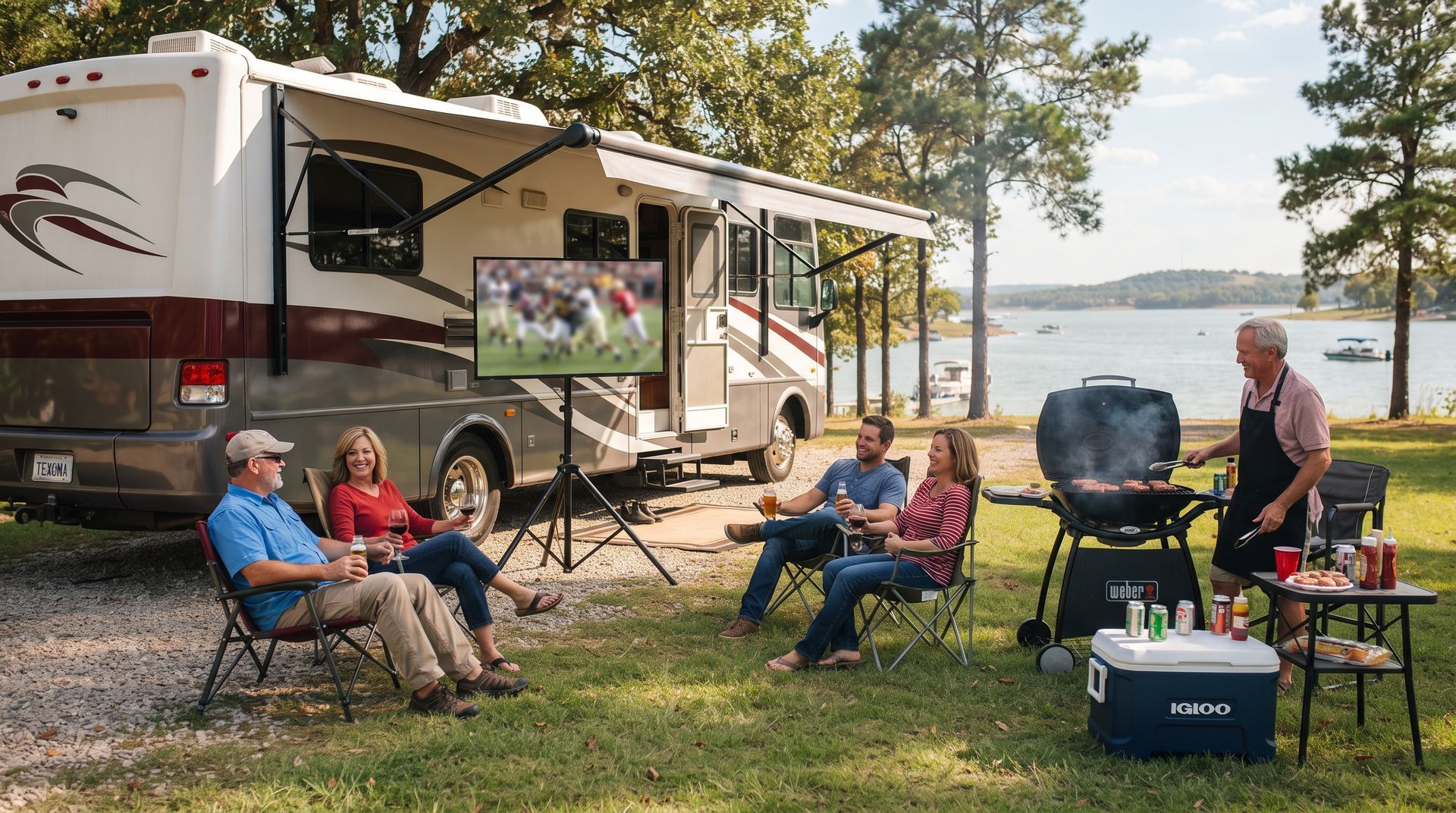
Catch every kickoff and still get lake time. Plan a football season RV weekend at Lake Texoma, based at Hilltop RV Resort near Durant, OK
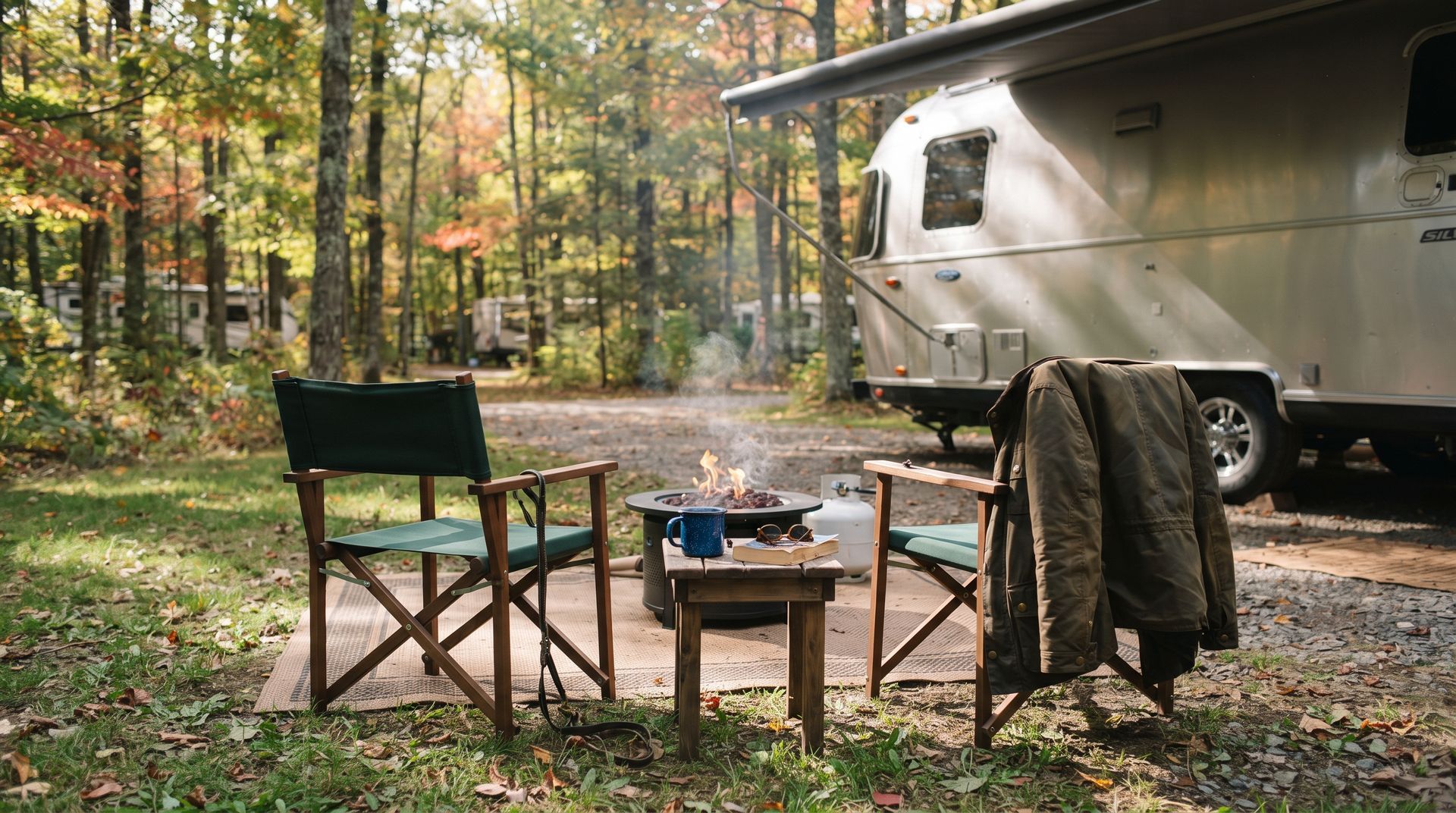
Fall camping is not summer camping. Here's how to switch your gear, routine, and setup for the season at Hilltop RV Resort
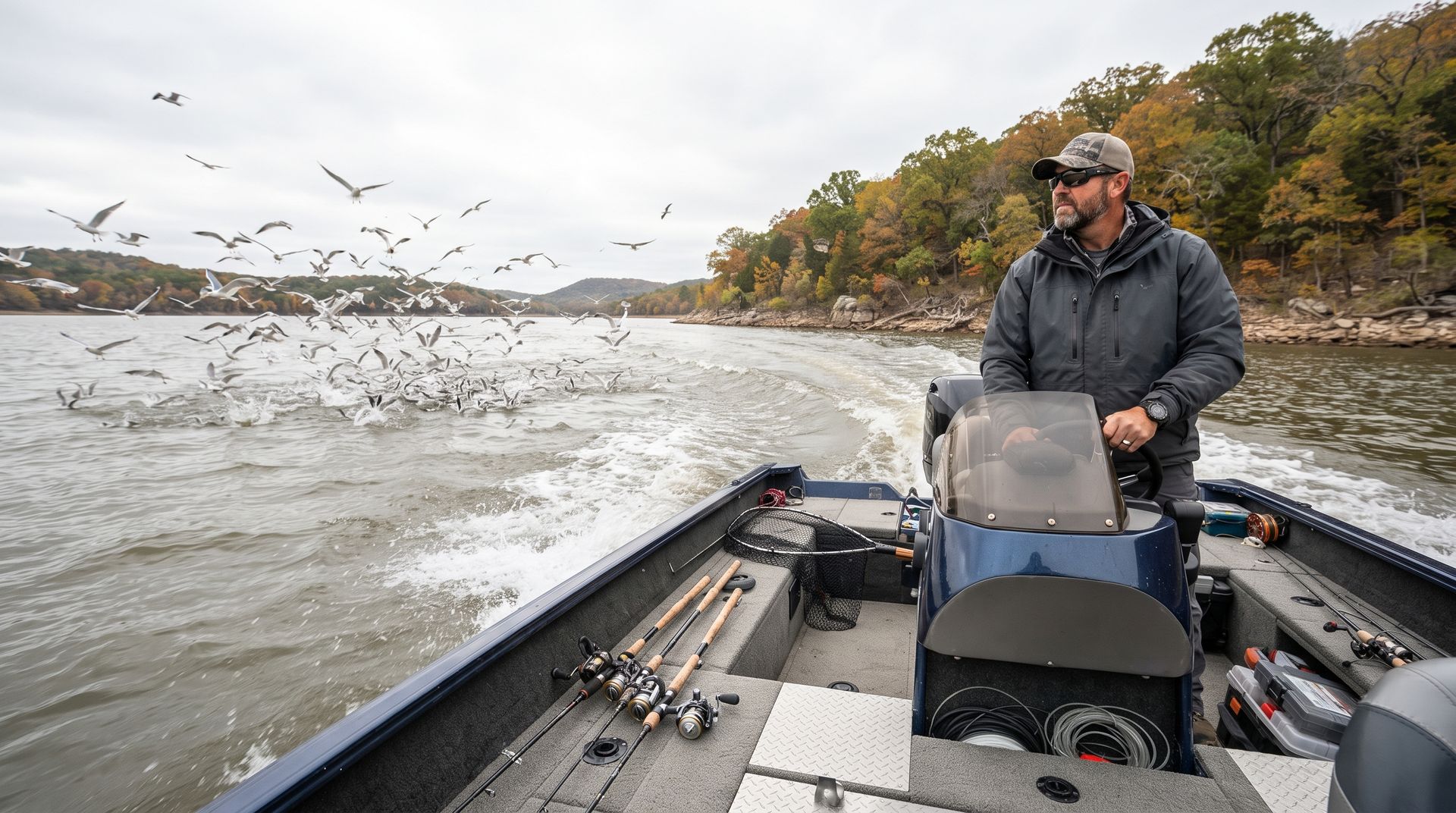
The fall migration is underway on Lake Texoma. Learn how to track baitfish and striper movement, based at Hilltop RV Resort
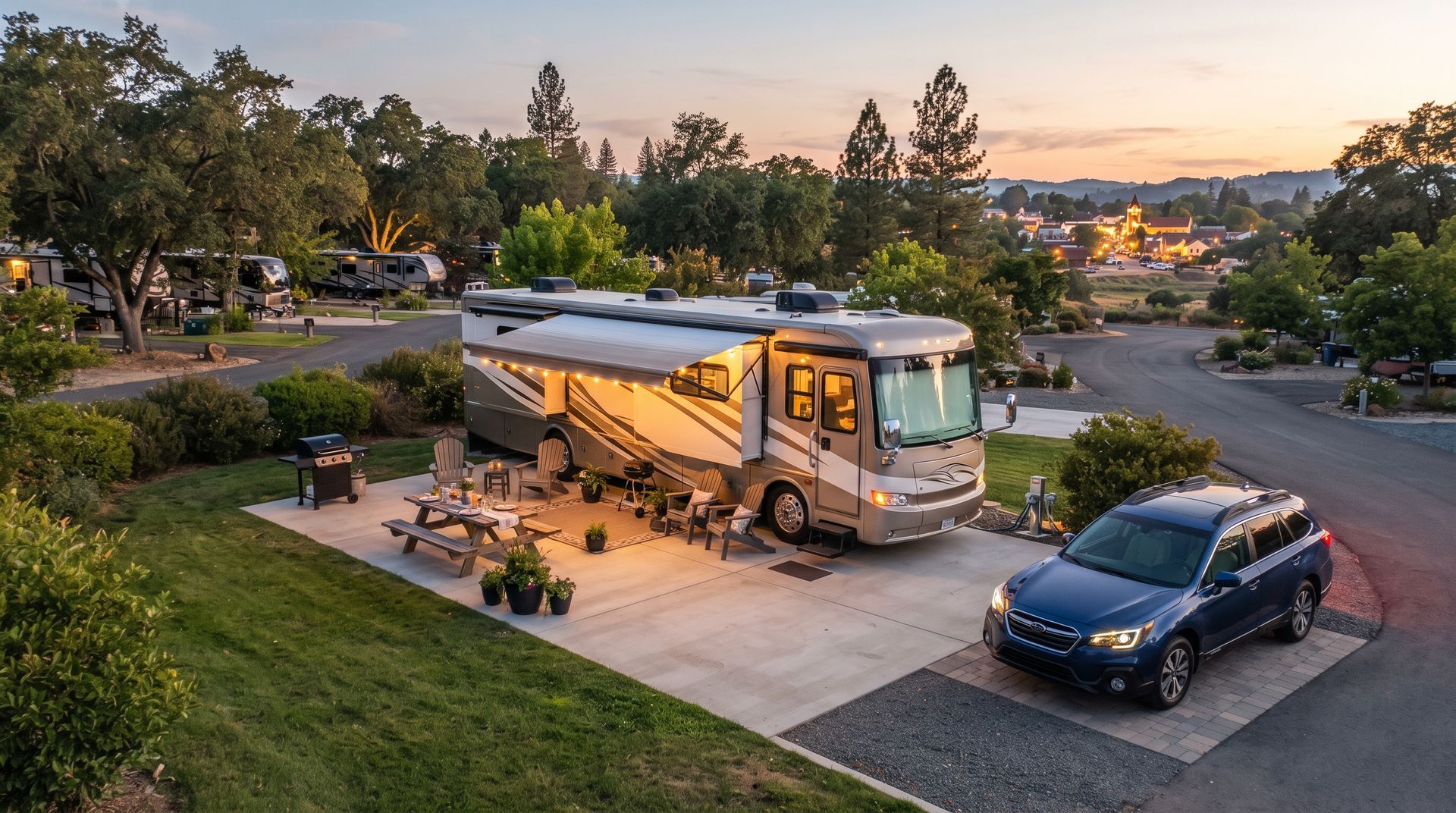
Looking for RV parking near Choctaw Casino & Resort? Get a local's guide to your options, plus a full-hookup site minutes away at Hilltop
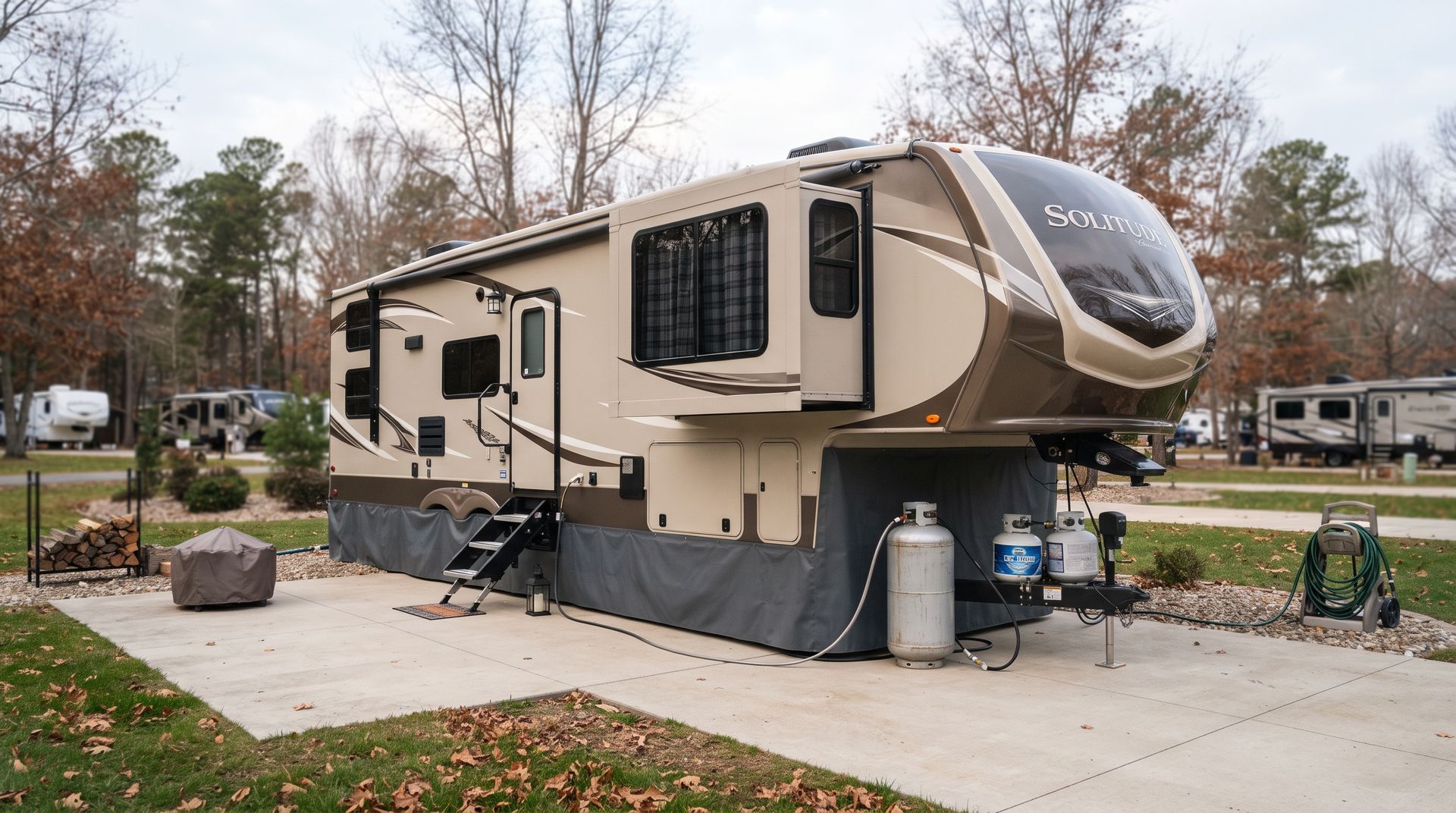
Staying the whole winter? Get a real planning guide for a full-season RV stay, plus a stable, all-inclusive site at Hilltop RV Resort